Thermal Energy Storage

Turning thermal storage into a finance-ready asset class

27. May 2021
Turning thermal storage into a finance-ready asset class

OUR IMPACT

Large-scale thermal storage has long been considered technically viable—but not always financially bankable. A recent certification milestone changes that.

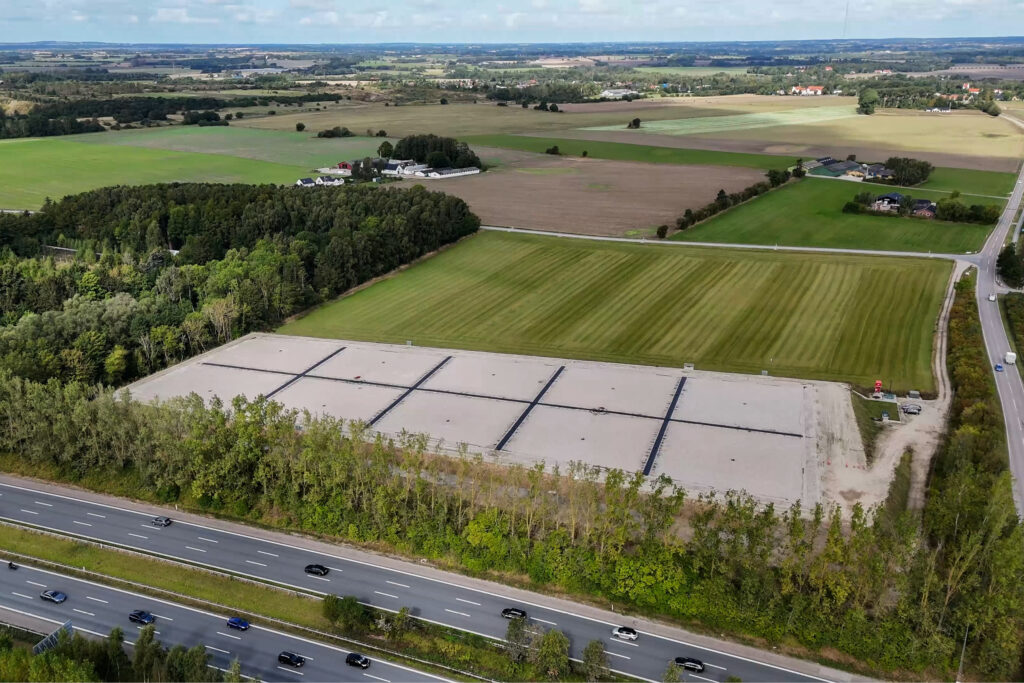
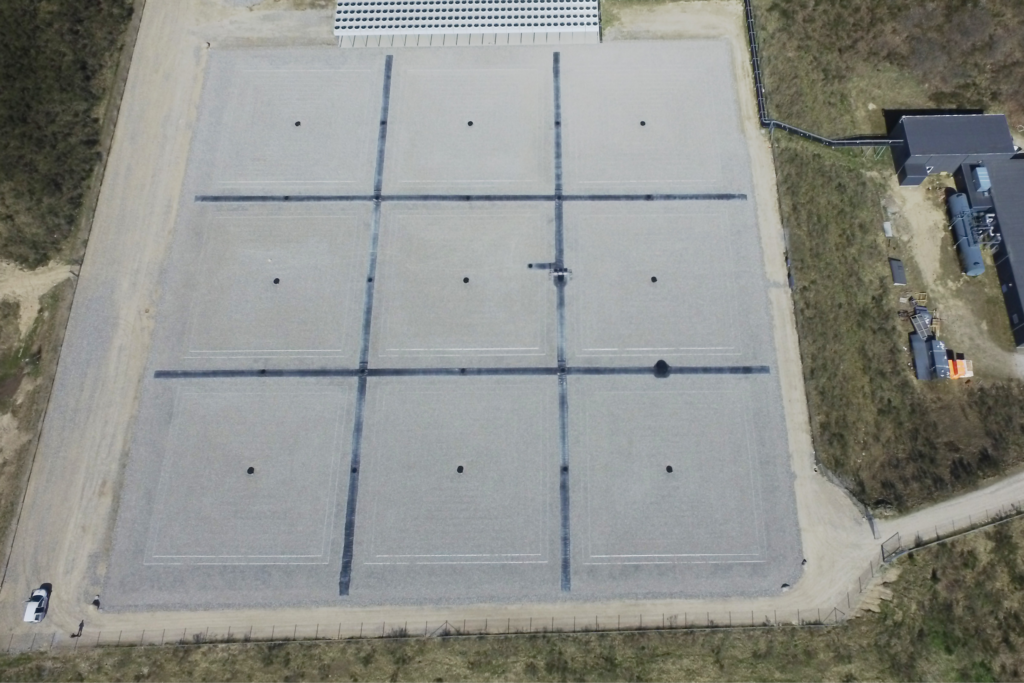
A Technology Qualification Certificate issued by Lloyd’s Register confirms that a PTES design, including its lid system, meets key requirements for durability, performance and operational reliability. The certification validates a service life of at least 25 years, controlled heat loss and full operational availability without unplanned downtime.

The lid system plays a central role. Historically, PTES installations have faced challenges related to moisture, air accumulation and thermal losses. The certified design addresses these issues through controlled ventilation, water management and structural stability, ensuring consistent performance over time.

This validation goes beyond technical compliance. It directly impacts investment decisions. Thermal storage projects depend on predictable performance and low operational risk. Independent certification provides a level of assurance that is required for financing large infrastructure assets.

The development reflects years of optimisation in PTES system design, including material selection, construction methods and component integration. The result is a storage solution that is not only technically proven but also aligned with the requirements of utilities, municipalities and investors.

At system level, thermal storage enables flexible use of renewable and waste heat. It allows excess energy to be stored and released when needed—reducing dependency on volatile energy markets and supporting stable heat supply.

WHY IT MATTERS

Bankability is often the missing link in scaling thermal storage. Independent certification provides the confidence needed to move from pilot projects to infrastructure investments.


This article was originally published under Aalborg CSP and has been editorially adapted for aalborg hc systems.

LET'S TALK

Tell us about your network.

ANY QUESTIONS?

FAQ

What does aalborg hc systems deliver?

aalborg hc systems designs and delivers integrated heating and cooling systems in new and existing networks.

This includes:

  • large-scale heat pumps
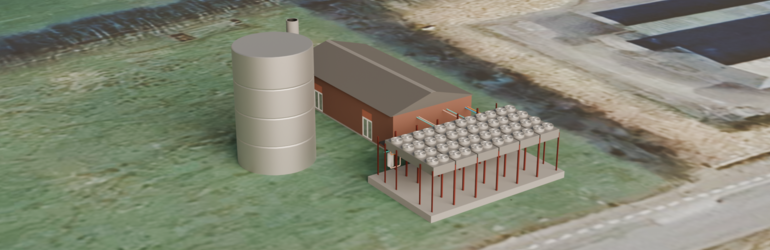
  • thermal energy storage (TES and PTES)
  • integration of multiple heat sources

The focus is on complete system solutions, not standalone technologies.

Can you integrate into existing district heating plants?

Yes. Most projects involve integration into existing infrastructure. aalborg hc systems connects new technologies to:

  • existing networks
  • boilers and CHP units
  • available heat sources

The result is a coordinated system upgrade, not a replacement of existing assets.

Do you act as EPC contractor?

Yes. aalborg hc systems delivers projects on an EPC basis.

This covers:

  • engineering and system design
  • procurement and supplier coordination
  • construction and commissioning

The responsibility remains with one party from concept to operation.

Which heat sources can you integrate?

aalborg hc systems integrates multiple heat sources within one system, including:

  • wastewater
  • geothermal energy
  • ambient air
  • industrial excess heat

Solutions are designed as source-agnostic systems, optimised for local conditions.

What do you need to get started?

A project can start with a limited set of data:

  • heat demand profile (load curve)
  • supply and return temperatures

Based on this, aalborg hc systems defines a first system concept and integration approach.